How to Spot Hidden Mold in Home Before It Causes Major Damage
Why Hidden Mold Is a Serious Problem
Most homeowners assume that if they cannot see mold, it isn't there. That assumption can lead to expensive repairs and health issues. The reality is that mold grows in places you rarely look: behind baseboards, under carpet padding, inside wall cavities, and in crawl spaces. By the time you notice a musty odor or a dark patch on the ceiling, the colony has likely been spreading for weeks or months. Understanding how to detect hidden mold in home before it becomes a crisis is a skill every homeowner should develop.
Mold needs moisture, a food source, and still air. Your home provides all three in abundance. Leaky pipes, high humidity, and poor ventilation create the perfect environment for mold spores to settle and multiply. The key is to catch the problem early, when the damage is still limited to a small area and professional removal is straightforward. Waiting until you see visible mold or smell something off often means the contamination has already penetrated drywall rot, carpet fibers, and even the subfloor.
The First Signs of Trouble
You don't need to be a contractor to spot the early warnings. A persistent musty odor is usually the first clue. If a room smells damp even after airing it out, there is moisture somewhere it shouldn't be. Another common sign is a sudden increase in allergy symptoms among family members. Mold spores are airborne, and your immune system reacts to them long before you see the source. An air quality test can confirm whether spore levels are elevated, but you can also use your nose and eyes to narrow down the problem area.
Check around windows, near the furnace filter, and behind appliances. Condensation on pipes or walls is a red flag. If you see any discoloration on drywall, even a faint yellow or brown stain, suspect mold behind it. Tap the wall gently; if it feels soft or crumbles, you are dealing with drywall rot, which means moisture has been sitting there for a while. At that point, the mold has likely spread to the wood framing and carpet padding in the adjacent area.
Where Mold Hides Best
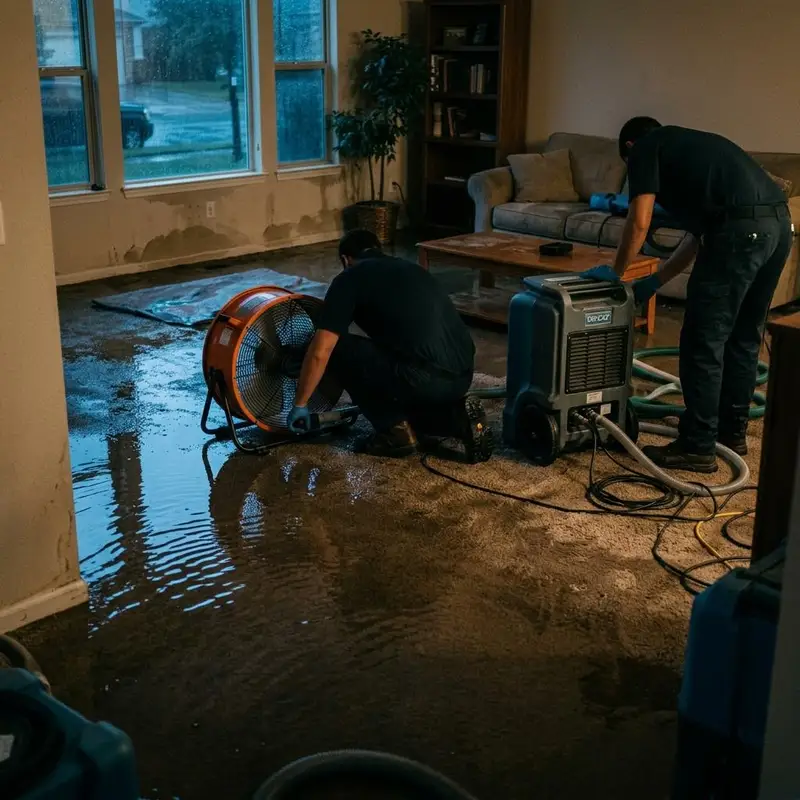
The most common hiding spots are places with chronic moisture and little airflow. Crawl spaces and basements are notorious. Basement moisture seeps through concrete floors and walls, feeding mold colonies that grow behind stored boxes or under old carpet. A hygrometer can measure humidity levels in these spaces. If the reading stays above 60 percent, you have a moisture problem that will eventually lead to mold. Running a DEHUMIDIFIER in the basement can bring humidity down to a safe range, but it will not kill mold that is already established.
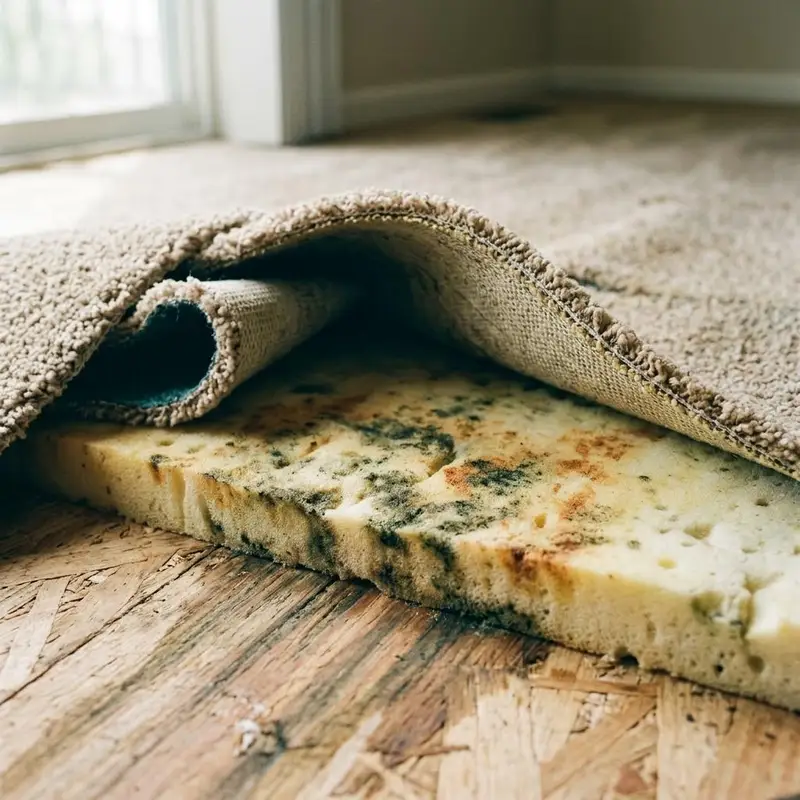
Another prime location is under carpet, especially in rooms with slab foundations or near a leaky pipe. Carpet padding acts like a sponge. Once it gets wet, it stays damp for a long time, and the fibers trap mold spores that would otherwise be swept away by airflow. You might not see anything on the surface, but if you lift a corner of the carpet and notice a dark stain or a musty smell, you have found hidden mold in home. The same goes for the area behind the toilet, under the kitchen sink, and around the base of the washing machine.
Tools and Techniques for Detection
You can do a basic inspection yourself without spending a lot of money. A flashlight and a screwdriver are enough to check suspicious spots. Gently probe baseboards and drywall near plumbing fixtures. If the material gives way easily, it is rotted and almost certainly contaminated. A HEPA vacuum is useful for cleaning up surface dust and loose spores before you start poking around, but it will not remove mold that has grown into the material.
For a more thorough assessment, consider a professional mold inspection. An inspector uses moisture meters, thermal imaging cameras, and borescopes to find hidden growth without tearing apart your walls. They can also identify the species of mold present. Not all mold is toxic mold, but black mold (Stachybotrys chartarum) is a strong indicator of prolonged moisture and is associated with more serious health risks. Knowing what you are dealing with helps you decide whether to handle the cleanup yourself or call in a remediation crew.
Health Concerns and the Role of the EPA
The EPA has published clear guidelines on mold remediation. Their advice is straightforward: fix the moisture problem, remove the contaminated material, and clean the area. They do not recommend testing for mold unless you have a specific health concern or need to document the extent of contamination for legal reasons. The reason is that mold is present in every home to some degree. The goal is not to eliminate every spore but to keep populations low enough that they do not affect your health or damage your home.
People with asthma, allergies, or weakened immune systems are most vulnerable. Inhaling mold spores can trigger respiratory symptoms, headaches, and fatigue. If you or your family members have been feeling unwell and you suspect moisture issues, an air quality test can give you peace of mind. Just remember that testing alone does not solve the problem. You still have to find and remove the source of the moisture.
Practical Steps for Prevention and Early Detection
Prevention is cheaper than remediation. Here are a few simple habits that can keep mold from taking hold:
- Run a ventilation fan in bathrooms and kitchens during and after use. Steam is a major contributor to hidden moisture.
- Place a DEHUMIDIFIER in the basement or crawl space during humid months. Aim for a humidity level between 30 and 50 percent.
- Check under sinks and around toilets for signs of a leaky pipe at least once a month. A slow drip can saturate cabinet floors and carpet padding without ever showing on the surface.
- Replace furnace filters regularly. A dirty filter restricts airflow and can trap mold spores, spreading them through the ductwork.
- Use a hygrometer to monitor humidity in problem areas. It is a cheap tool that provides real data about your indoor environment.
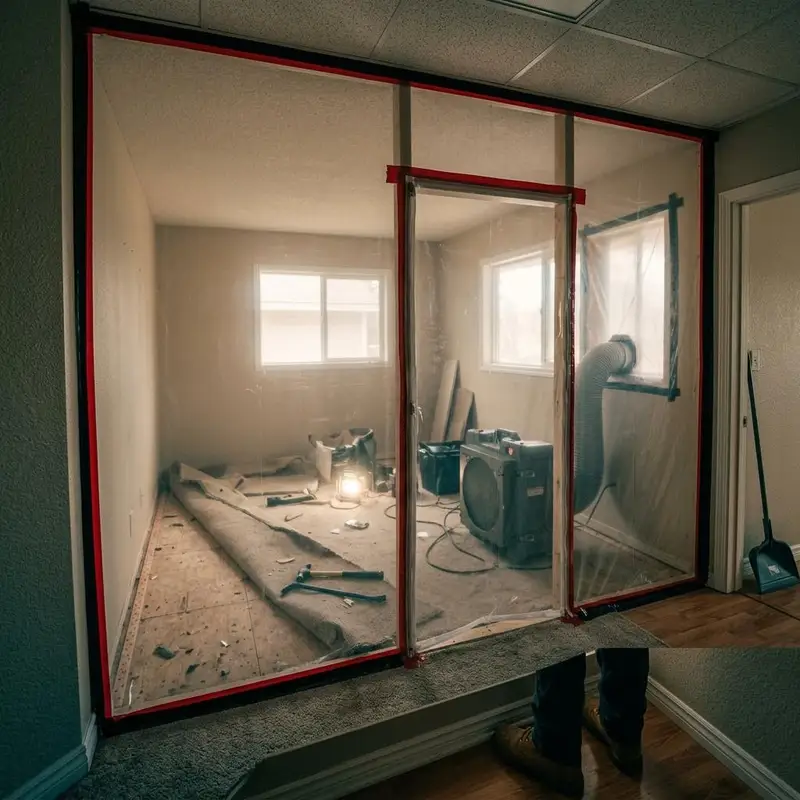
If you do find mold, do not panic. Small patches on hard surfaces can be cleaned with detergent and water. For larger areas or mold that has penetrated porous materials like drywall or carpet, professional removal is the safest option. Trying to scrub black mold off drywall will only release more spores into the air, making the problem worse. A remediation team will contain the area, remove the affected materials, and clean the space with HEPA vacuums and antimicrobial treatments.
When to Call a Professional
There is a gray area between a minor leak and a full-blown infestation. If the affected area is larger than about three feet by three feet, the EPA recommends hiring a professional. The same goes if the mold is in your HVAC system or if you suspect toxic mold. Professionals have the equipment and training to handle hidden mold in home safely. They can also identify the root cause of the moisture, whether it is a foundation crack, a plumbing leak, or poor grading that sends rainwater toward the house.
I have seen cases where a homeowner tried to clean a small patch of mold under a carpet only to discover that the entire carpet padding and subfloor were rotted. What started as a weekend project turned into a week-long renovation. The lesson is that mold is rarely as small as it looks. Once you peel back the surface, you often find that the colony has spread far beyond the visible stain. That is why early detection is so important. Catching hidden mold in home before it spreads saves you time, money, and frustration.
Final Thoughts
Mold is not something to ignore or downplay. It is a slow, persistent force that weakens your home and can affect your health. But it is also manageable. With regular inspections, simple moisture control, and a willingness to act quickly when you spot a problem, you can keep your indoor environment safe and dry. Pay attention to the clues your home gives you. That musty odor, that dark spot behind the washing machine, that persistent dampness in the basement, they are all trying to tell you something. Listen, investigate, and take action before the damage becomes irreversible.